What are you looking for? X

PRODUCTS ()

Watchmaking is an intricate craft of precision, engineering and design - it's diverse enough to have a vocabulary of its own.
Here are terminologies from the world of horology that you need to know.
KNOW YOUR WATCH
KNOW YOUR WATCH
GLOSSARY
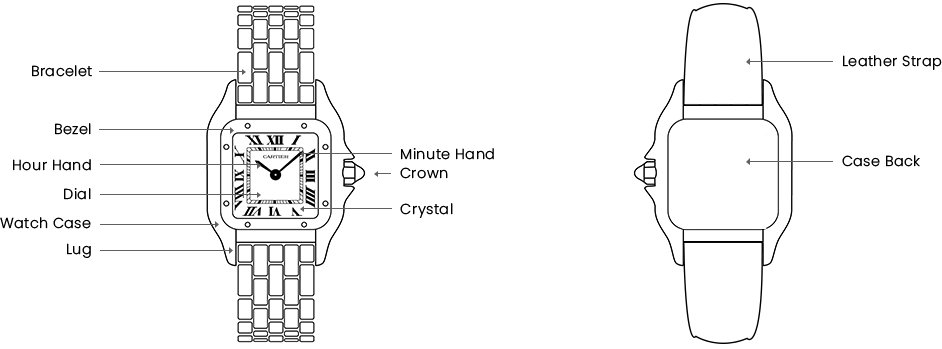
Discover the anatomy of a watch.
KNOW YOUR WATCH
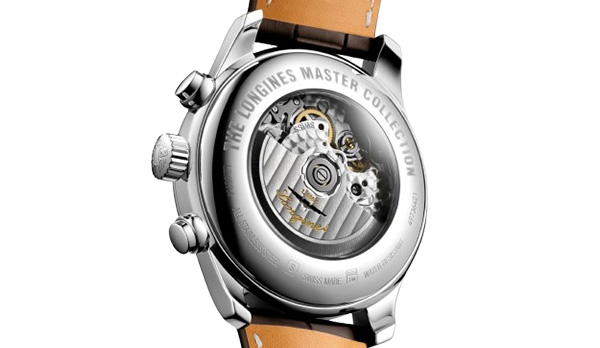
TYPE OF MOVEMENT
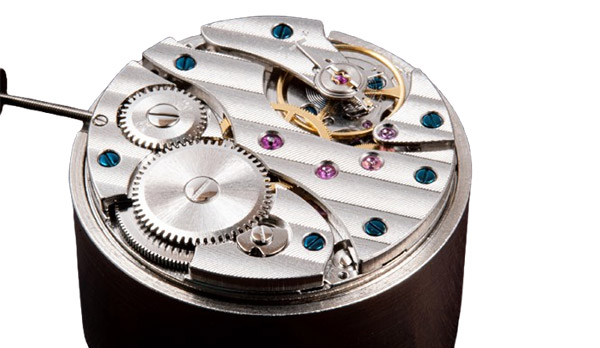
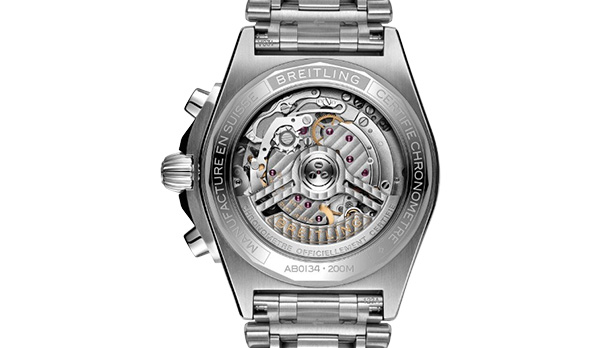
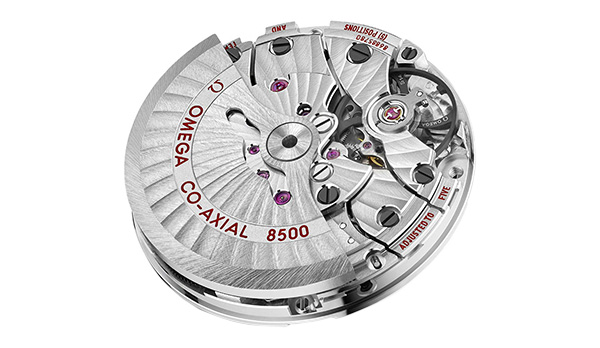
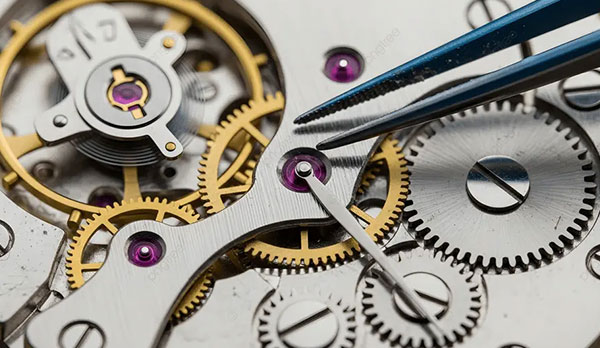
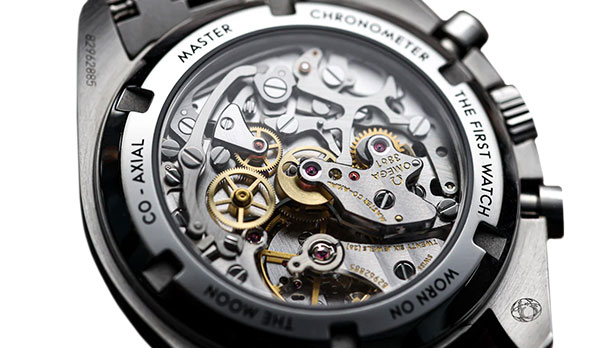
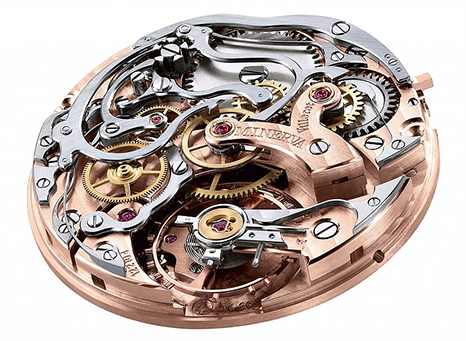
A watch movement is the heart of the watch, the main source of power. Each movement is differentiated based
on its power resource, mechanism and accuracy.
MANUAL-WOUND MECHANICAL MOVEMENTS
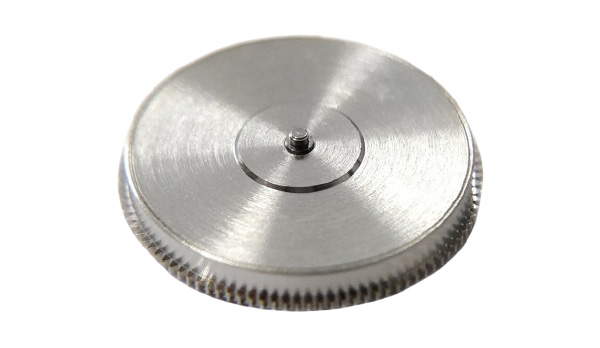
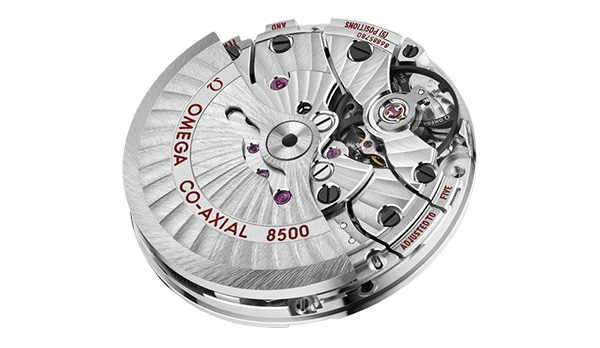
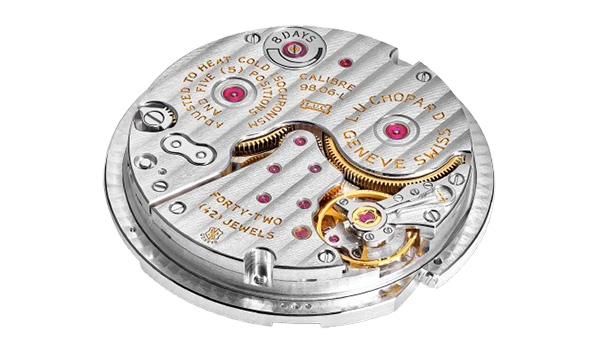
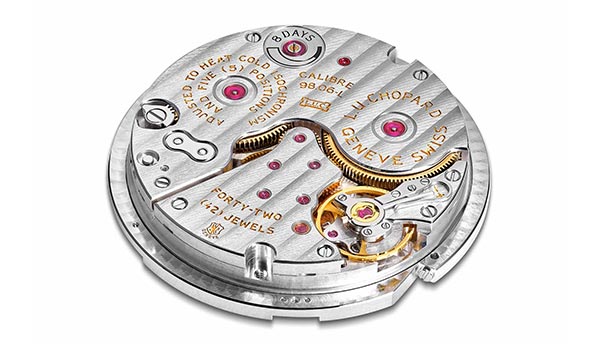
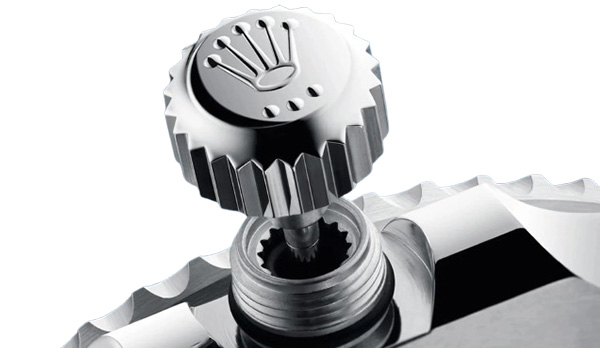
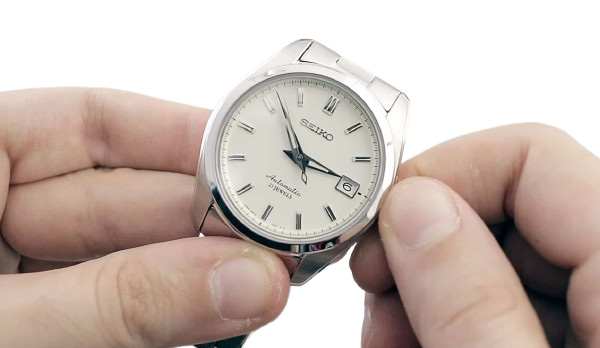
Manual-wound mechanical movements or hand-wound movements require you to physically twist the crown for it to be wound.
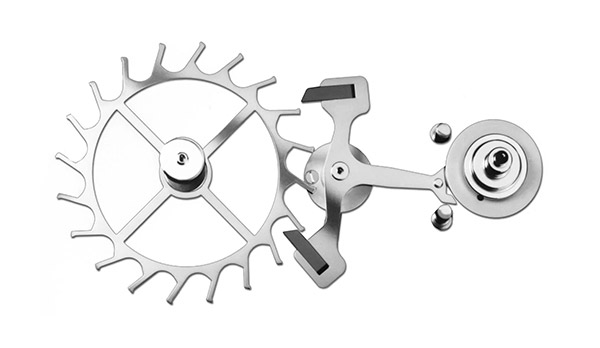
As you twist the crown, the mainspring coils up and stores energy, which is further transferred through the escapement.
Power reserves play critical roles in manual watches, as it's determined by the intervals between each winding. This typically ranges between 35 to 70 hours.
SELF-WINDING AUTOMATIC MOVEMENTS
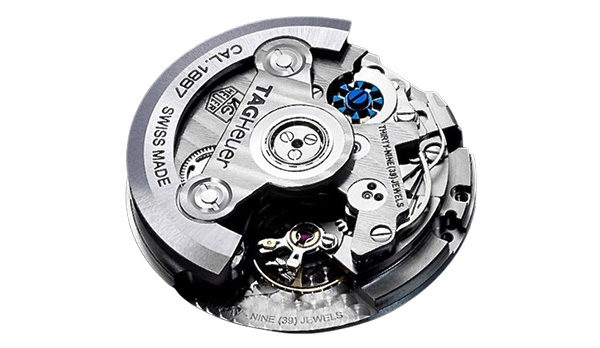
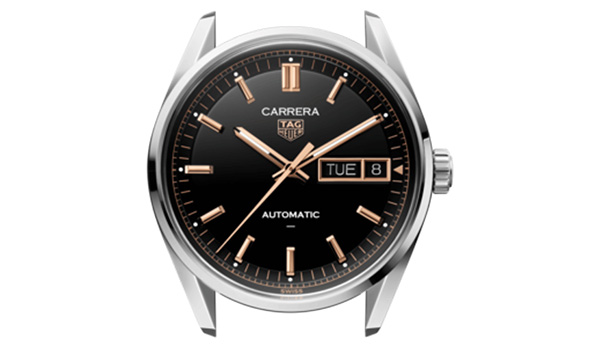
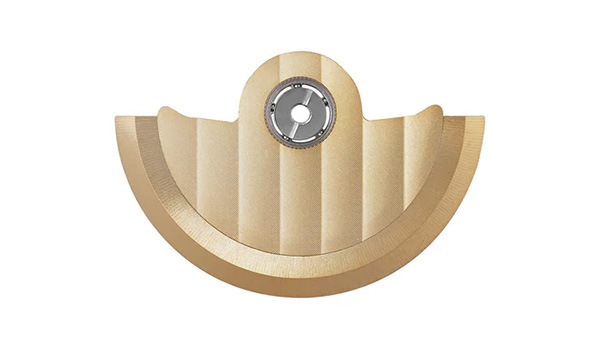
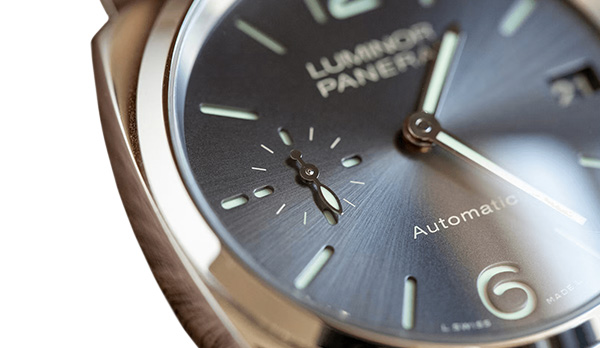
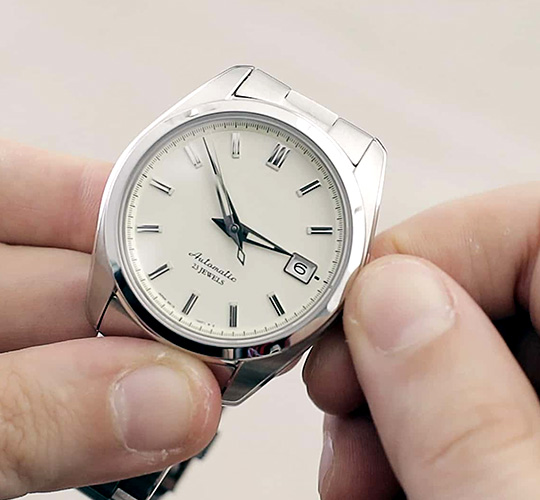
A self-winding automatic movement harnesses the natural motion of the wearer's wrist to wind the mainspring. The movement employs balance wheels and rotors.
As the rotor swings, it winds up the mainspring to store energy, which is further transferred through the escapement.
Self-winding movements have a power reserve of between 38 and 48 hours. If the watch stops due to inactivity, it can be manually wound to reset.
QUARTZ MOVEMENT
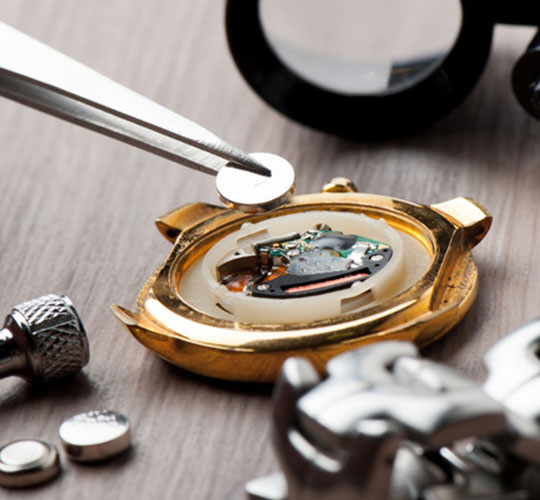
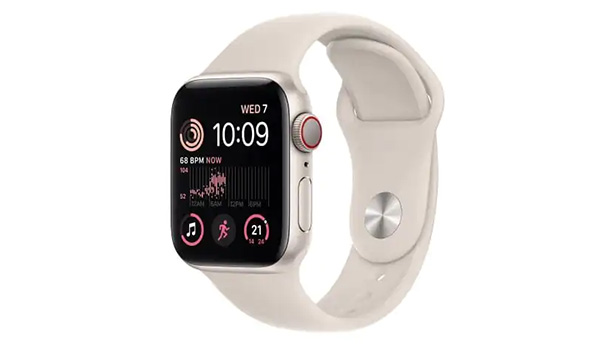
A quartz timepiece isn't wound at all. Instead, it operates with the help of a battery.
The battery's electric charge is carried to the quartz crystal through an intricate circuit, causing it to vibrate. These electrical pulses power timepiece.
Quartz batteries last between one to two years and can be effortlessly replaced.
KNOW YOUR WATCH
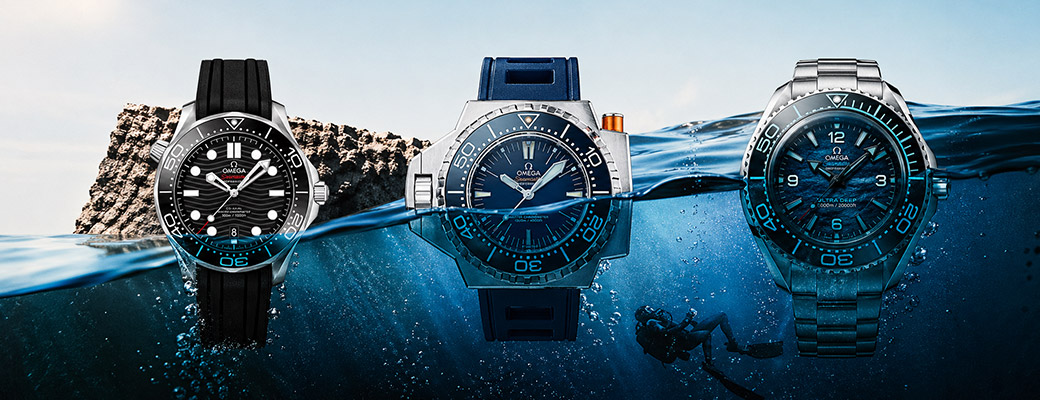
WATER RESISTANCE RATINGS
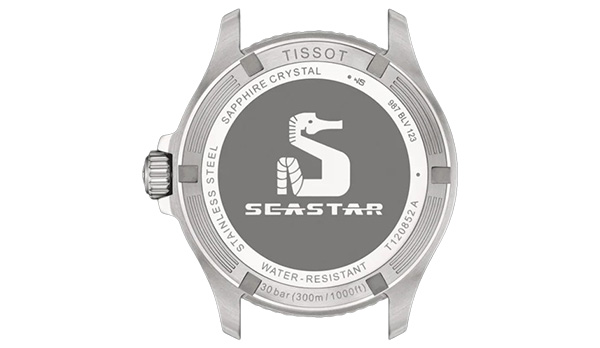
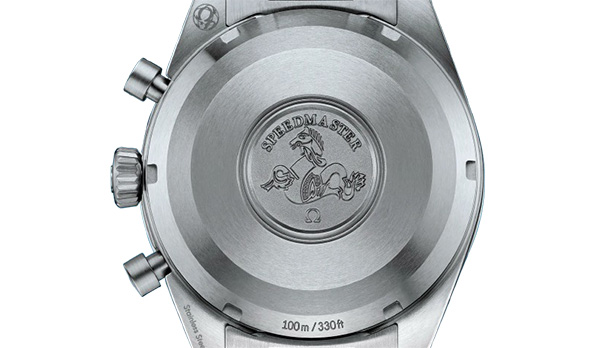
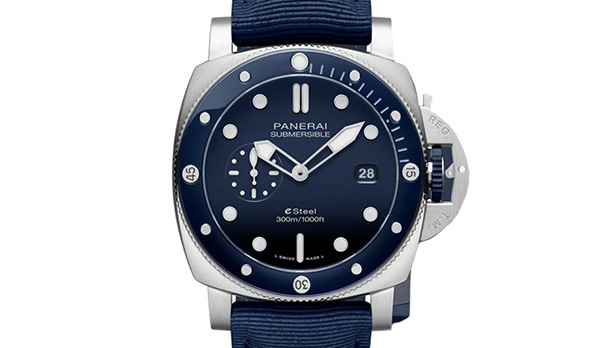
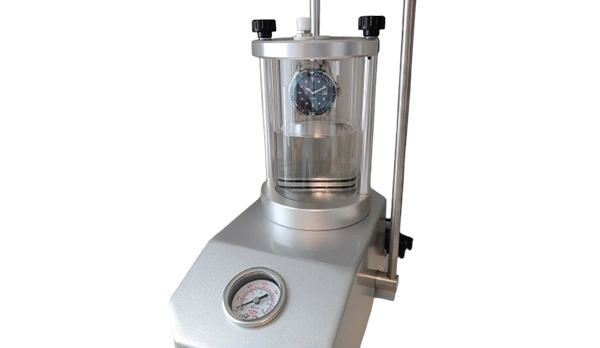
Based on pressure testing, BAR (Barometric Pressure) and ATM (Standard Atmosphere) are commonly used units of pressure, used to indicate water resistant a watch is, each equal to approximately 10 meters of water resistance.

3 ATM / 30m Basic Water Resistance

Suitable for everyday activities with minimal water exposure
Hand Washing
Rain Exposure
Sweating

5 ATM / 50m Enhanced Water Resistance

Can handle light water activities and brief submersion
Showering
Light Rain
Dish Washing

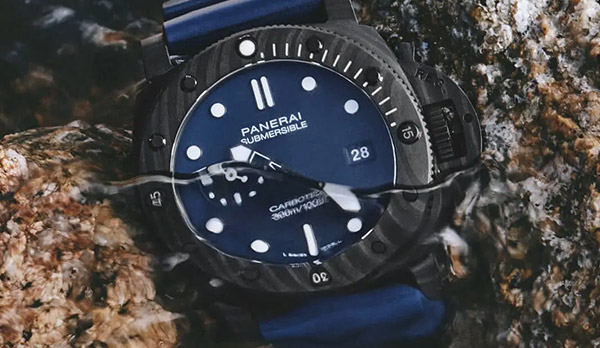
10 ATM / 100m Swimming Safe

Perfect for recreational swimming and water sports
Swimming
Snorkeling
Showering

20 ATM / 200m Professional Water Sports

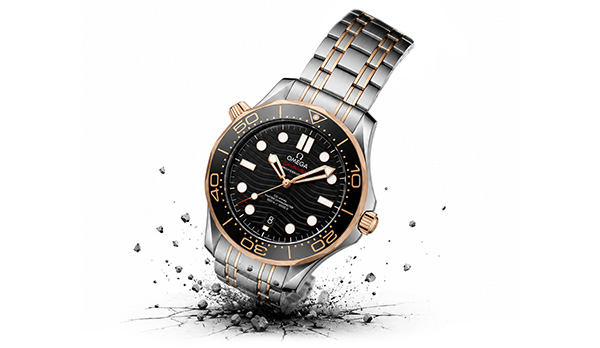
Designed for serious water activities and diving
Water Sports
Scuba Diving
High-Impact Swimming

30 ATM / 300m Deep Sea Diving

Maximum protection for professional deep-sea activities
Deep Sea Diving
Professional Diving
Extreme Water Sports
KNOW YOUR WATCH
COMPLICATIONS
Discover some of the most popular watch complications you may come across.
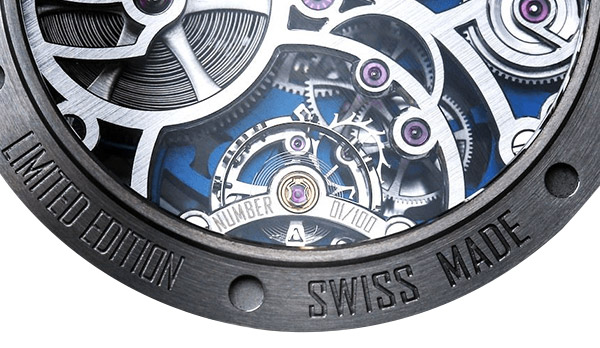
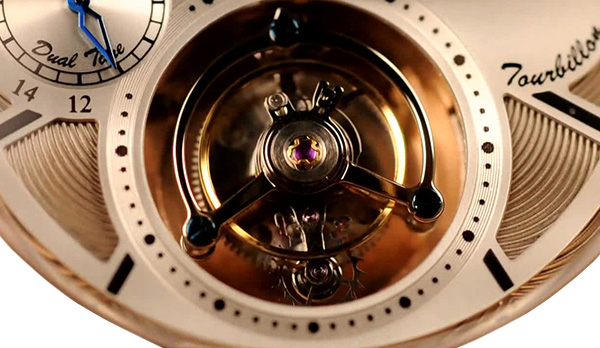
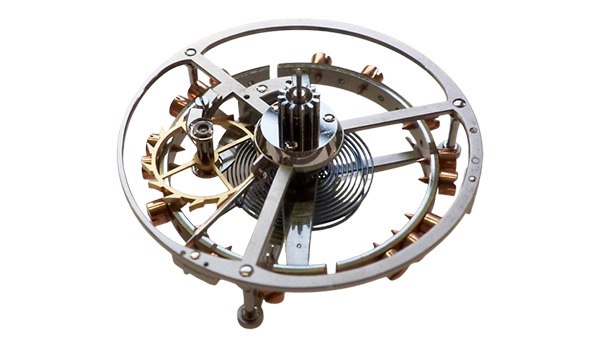
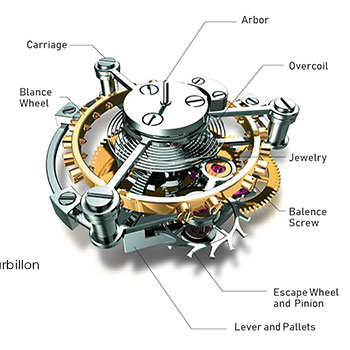
WHAT IS TOURBILLON?
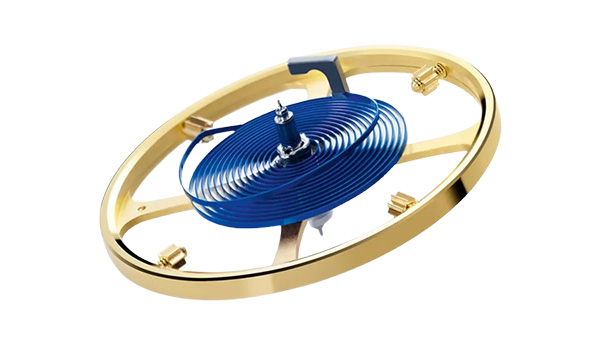
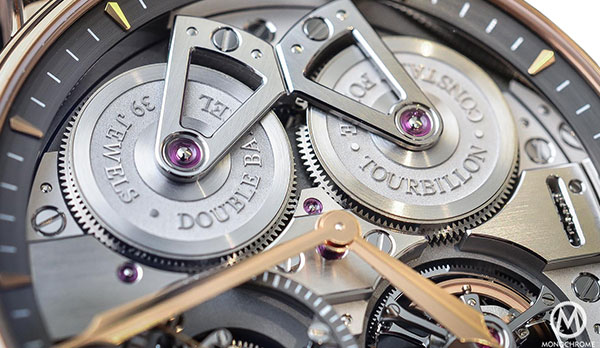
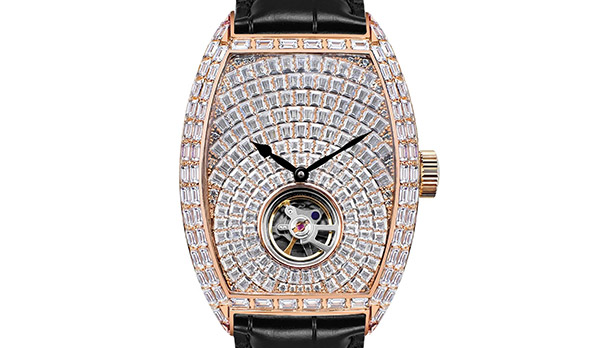
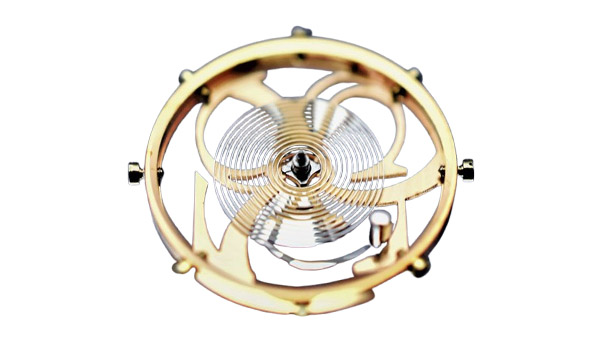
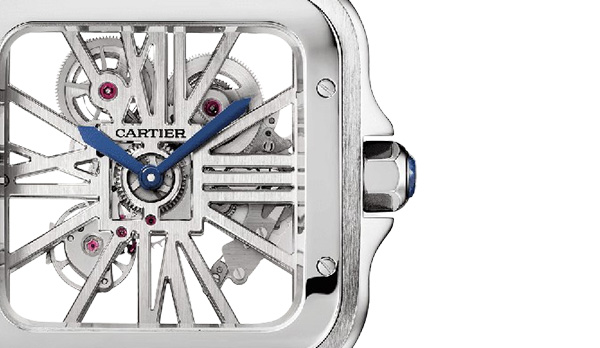
Invented by Monsieur Abraham-Louis Breguet and Englishman, John Arnold in the late 1700s, a breakthrough regulator dubbed the 'tourbillon' was fine watchmaking's newest technological obsession. In French, tourbillon means whirlwind, but in watchmaking, it signifies a hypnotic mechanical dance. Its job was to counteract the effects of gravity on timekeeping accuracy. Bringing order to chaos in the movement, it rotates the entire escapement (balance wheel, hairspring, and pallet fork) in perpetual motion. As the escapement whirls gracefully and delicately within its cage, watch collectors are captivated by the sheer technical complexity and the mesmerizing ballet unfolding on the dial.
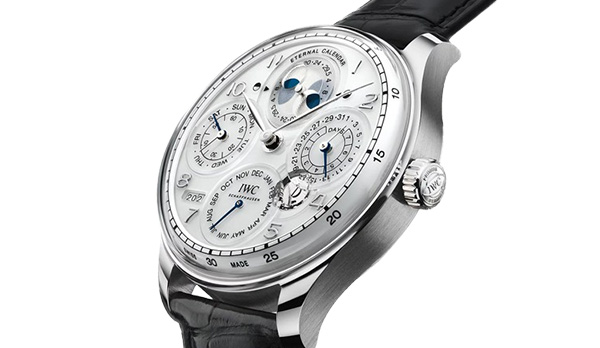
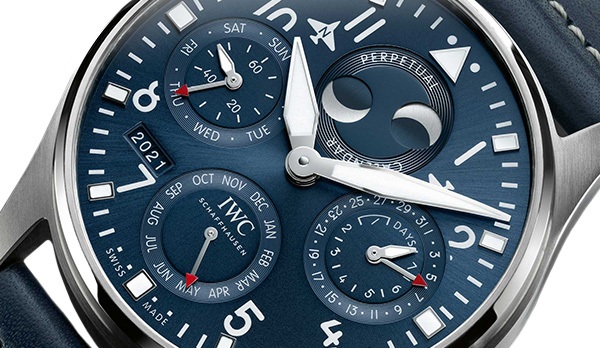
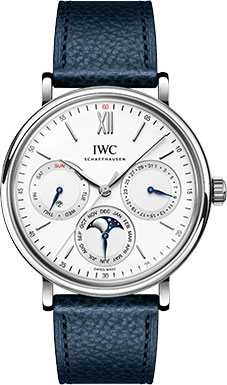
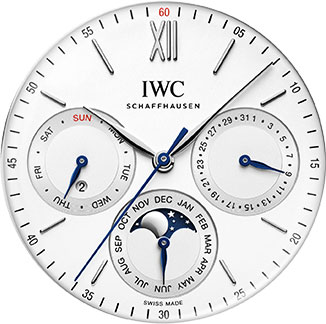
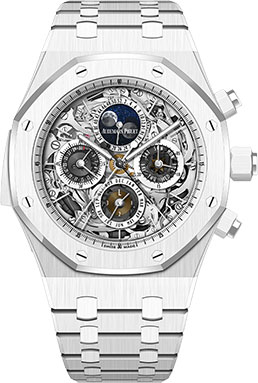
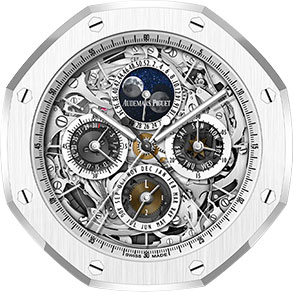
WHAT IS PERPETUAL CALENDAR?
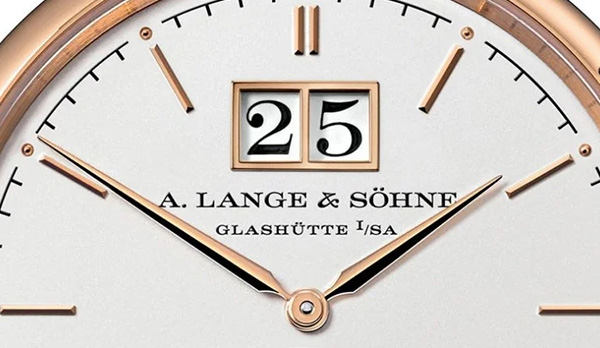
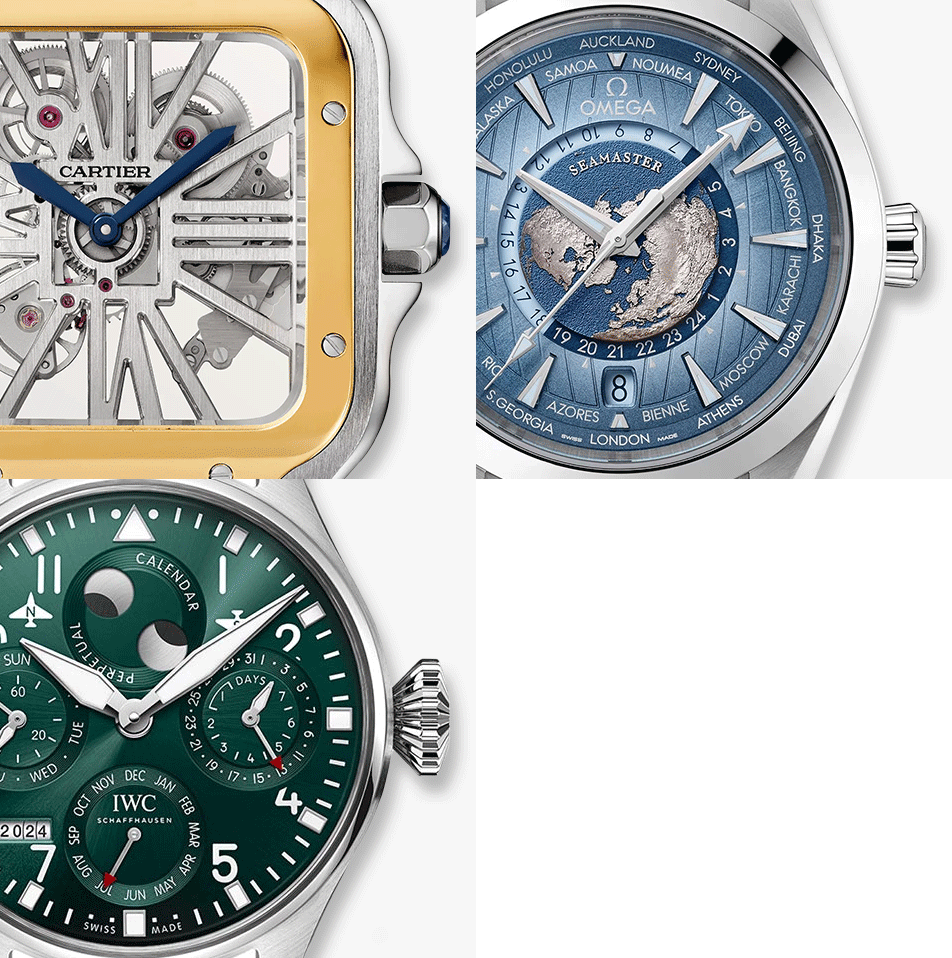
Coming in unique combinations of sub-dials, windows, and indicators, Perpetual Calendars mark day, date, and month, including leap years, without requiring any manual adjustments from the wearer. It even takes the irregularities of the Gregorian calendar into account; however, all perpetual calendars will need a hard reset on March 1st, 2100.
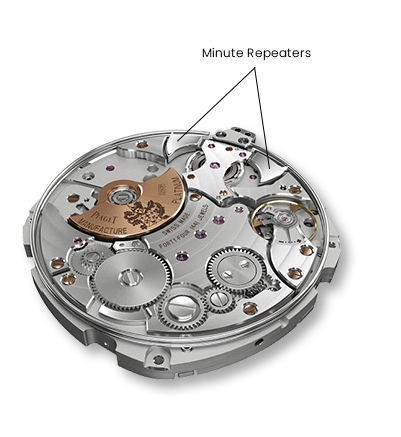
WHAT IS Grande Sonnerie & Minute Repeater?
Two complications that boast a near-mythical status amongst the master watchmakers of Switzerland. Chiming watches or grande sonneries chime hours and quarters automatically in sequence, requiring no activation by the wearer. On the other hand, minute repeaters require so. The chimes are produced by a series of hammers striking a set of hammers, gongs or bells within the watch movement. While standard models use one or two hammers, higher-end grande sonnerie/minute repeaters house three or more hammers striking multiple gongs. The shape, material, weight, and hardness of these components, as well as their precise tuning, are integral factors in producing the desired sound quality. It can take a watchmaker upwards of 300 hours to assemble and tune its movement.
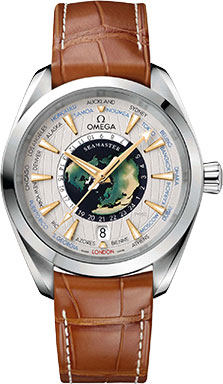
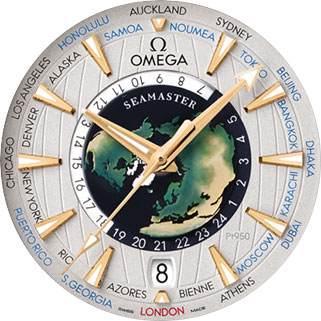
WHAT IS World Timer?
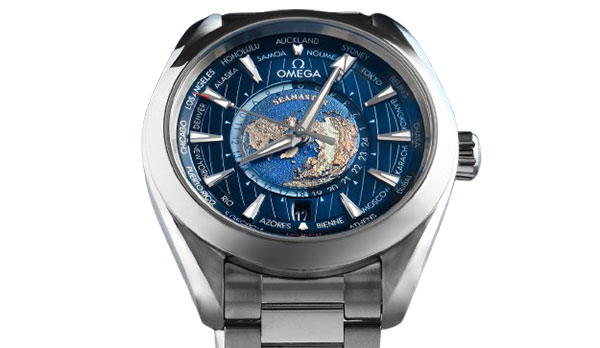
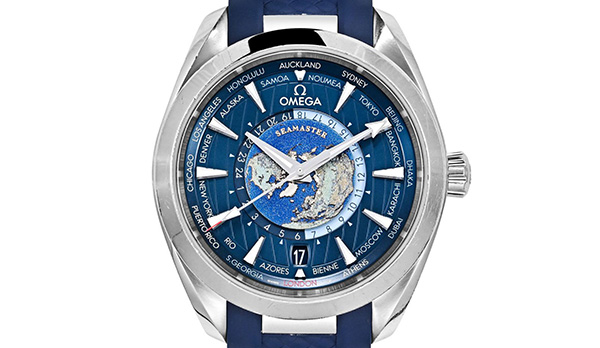
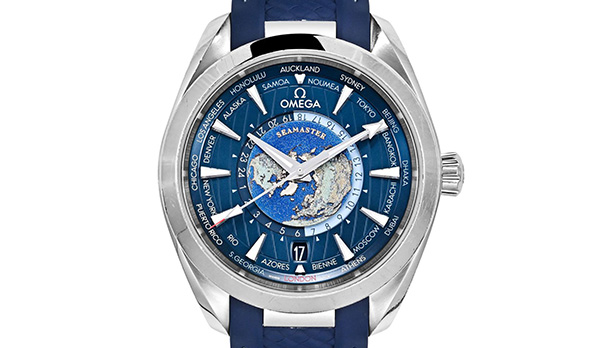
World Timers are masterful tools of utility and one of watchmaking's most sought-after complications. The key to its functionality lies in two factors - At the centre of the dial, rests a 24-hour ring that indicates the 'home' timezone. Surrounding this, is a rotating bezel/inner dial that's decorated with markers of names of major cities, each representing a different timezone. This allows World Timers to materialize the intersection between technical brilliance and utility, serving as an indispensable horological tool for the geographically capricious and anyone who needs to stay connected with people in different parts of the world.
WHAT IS GRAND COMPLICATION?
To put things into scale - on average, a Quartz consists of 50-100 parts - a typical chronograph watch requires around 150 parts - luxury watches house between 250-350 parts - but a Grand Complication timepiece comprises upwards of 600 parts, sometimes even thousands. These timepieces represent the absolute pinnacle of mechanical poetry in watchmaking, combining long lists of ultra-high complications into standard dimensions. It boasts a combination of complications such as a perpetual calendar, minute repeater, chronograph, and tourbillon, among others.
KNOW YOUR WATCH

Content for this topic will be available soon.
D-10, Second Floor, South Extension-II,

New Delhi-110049

+91-8888881000

care@kapoorwatch.com

11:00 AM - 6:30 PM (Tue to Sun)